
Blog
The great media rewrite: rewiring media operations for an influencer-led era

For more than a decade, brands have optimized media strategies around reach, frequency, and channel mix. Traditional media planning approaches, built around linear campaign cycles and long production lead times, are struggling to keep pace with this dynamic environment. Yet this model is under strain as consumer attention continues to fragment across platforms and formats. Audiences today move fluidly between micro-entertainment, long-form viewing, social feeds, and niche creator communities, reshaping the definition of effective media. Brands find themselves needing to produce more content, in more variations, across more channels, while maintaining message consistency and operational discipline.
At the center of this shift sits influencer marketing. Once considered an experimental lever within digital budgets, influencer marketing has evolved into a core component of modern media delivery. Influencers now shape trends, define visual language, and guide platform culture. They act as creators, collaborators, and distribution engines, influencing consumer perception and attention more authentically than many brand-produced assets. As the creator economy matures, brands must rethink the operational backbone that supports their media efforts.
Reach out to discuss this topic in depth.
Platform shifts redefining media
Integrating influencer activity into formal media operations across planning, production, governance, and measurement remains a significant challenge for many enterprises. As media platforms continue to evolve rapidly, this operational gap is becoming harder to manage. The need for modernization is being driven by three critical platform-level shifts, which Exhibit 1 illustrates.
Exhibit 1: Platform shifts redefining media
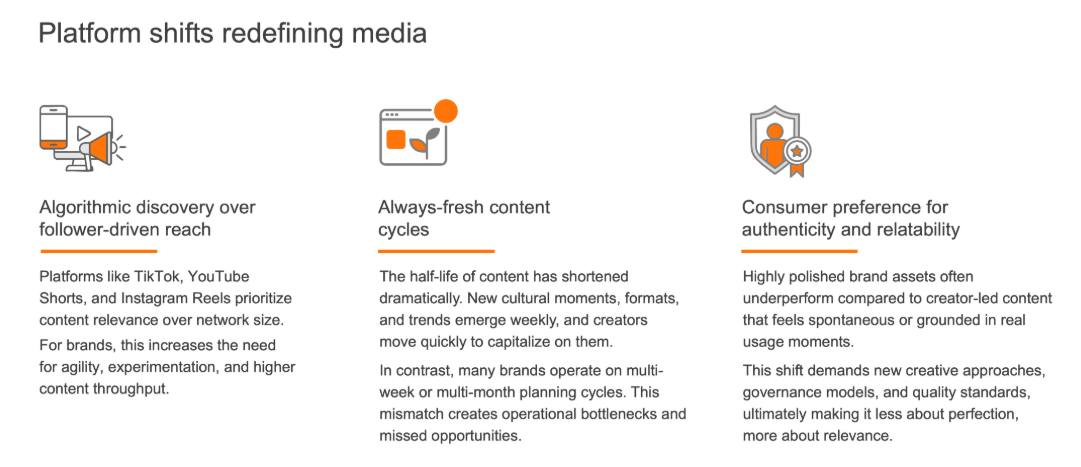
Collectively, these platform shifts reinforce the need for integration between influencer marketing and broader media operations, transforming influencers from an ancillary tactic to a central engine of brand storytelling.
The interplay between influencer marketing and media operations
To harness the full value of influencer content, brands must operationalize how creators and media teams work together. Three areas of interplay are emerging as critical:
- Influencers as extensions of creative and media teams: Creators act as distributed content partners who understand platform behaviors and cultural nuances. Their ability to rapidly produce and test content makes them valuable contributors to both creative development and media optimization
- Co-creation workflows that balance authenticity and brand needs: Effective collaboration requires clear creative territories, streamlined approvals, and flexible guidelines that protect brand integrity while preserving creator voice. This balance helps maintain content relevance without sacrificing governance
- Multi-channel amplification of creator assets: Influencer content now fuels paid, owned, and earned channels. This requires stronger coordination across media buying, rights management, and analytics to ensure consistent usage and performance measurement
While the integration of influencers into media operations creates meaningful opportunities for greater relevance, speed, and creative diversity, it also introduces new complexities. The shift to creator-led content amplifies operational demands around governance, rights usage, compliance, and cross-channel consistency.
Risks and constraints hindering integration
As influencer activity becomes more deeply embedded in planning and production workflows, the points of friction and exposure become more visible. These emerging pressures set the stage for a closer examination of the risks and constraints that can hinder successful integration.
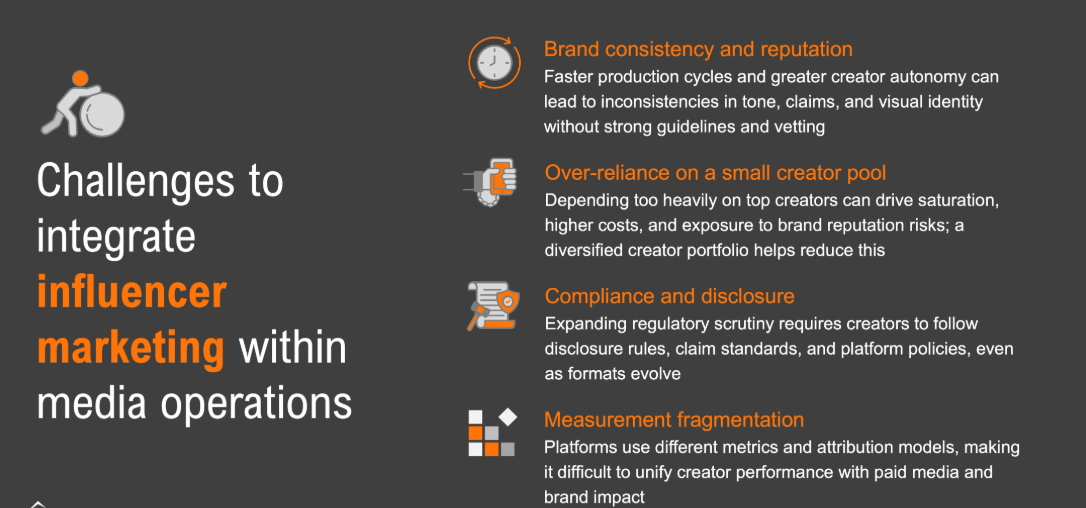
Exhibit 2 outlines the key risks and constraints, setting the foundation for a deeper discussion of how brands can address them.
Exhibit 2: Challenges in integrating influencer marketing within media operations
A roadmap to successful integration
The risks and constraints outlined above underscore why many enterprises struggle to integrate influencer marketing into their broader media operations. These challenges are not simply tactical; they reveal deeper structural gaps in workflows, governance, technology, and cross-functional alignment. To address these barriers in a systematic and scalable way, brands need a clear roadmap that outlines how they should modernize their media operations.
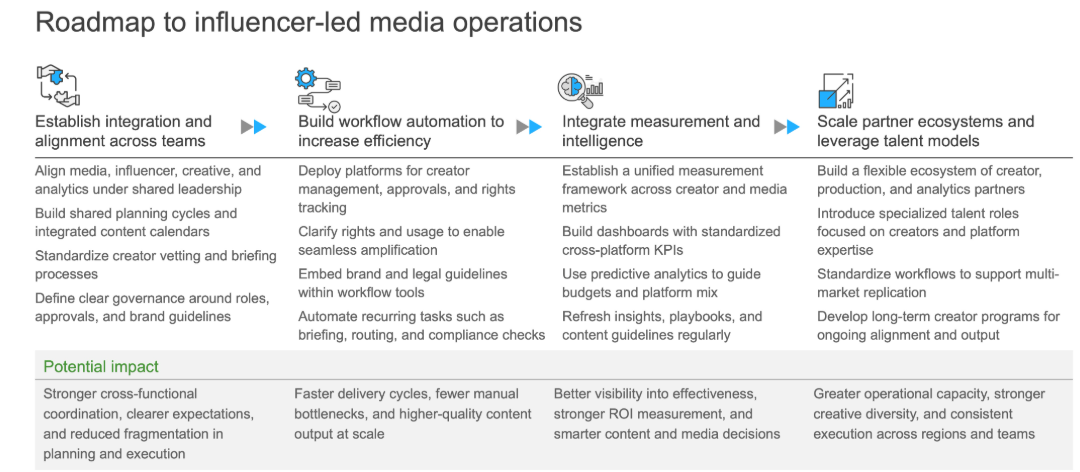
Exhibit 3 outlines a structured approach to building the capabilities, processes, and governance necessary to fully integrate influencer activity into a high-velocity, insight-driven media engine.
Exhibit 3: A roadmap to influencer-led media operations
Conclusion
The rise of creator-led media is not a passing trend; it is a fundamental shift in how audiences engage with content and how brands must show up across platforms. For brands to succeed, influencer marketing cannot sit in a silo. It must be embedded into the core of media operations, supported by agile workflows, clear governance, and integrated measurement.
Brands that modernize their media operations today will be better positioned to maintain relevance, accelerate content production, and navigate the fast-changing platform landscape. Those that delay risk falling behind both culturally and competitively.
If you found this blog interesting, check out Can the Future of Sports Marketing Be Won by Reimagining Fan Engagement? – Everest Group Research Portal, which delves deeper into another topic regarding marketing.
For further insights, you can also read our latest report, Lights, Camera, Activate: Media Services Market Outlook and Provider Landscape 2025 – Everest Group Research Portal.
To take the conversation forward, please contact Ravi Varun ([email protected]) and Lochan Surana ([email protected]).