Contributors

Research Director
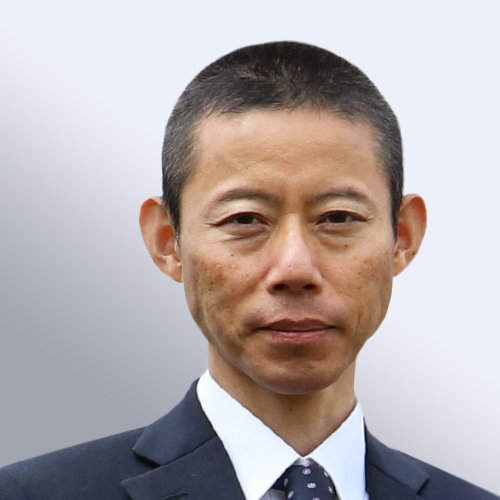
Head of Business Development

Our memberships, custom support, and in-depth published research equip you with the reliable information you need to make data-led decisions with measurable success.
Our wealth of resources inspires ideas and new ways of thinking with real-world solutions and the latest trends that drive your business forward.
Discover the latest trends our analysts are covering with live and virtual events packed with practical insights.
We’re committed to helping you get it right. Through trusted expertise, rigorous research, and practical insights, we enable businesses to make confident decisions.
Our memberships, custom support, and in-depth published research equip you with the reliable information you need to make data-led decisions with measurable success.
Our wealth of resources inspires ideas and new ways of thinking with real-world solutions and the latest trends that drive your business forward.
Discover the latest trends our analysts are covering with live and virtual events packed with practical insights.
We’re committed to helping you get it right. Through trusted expertise, rigorous research, and practical insights, we enable businesses to make confident decisions.
このページを日本語で見る | View in Japanese
Japan’s demographic shift is accelerating the move from product-led innovation toward outcome-based R&D pipelines centered on healthy life expectancy. As an aging society, Japan is emerging as an early test market for health and wellness megatrends such as prevention-led care, healthy longevity, personalization, and continuous health tracking, which are reshaping demand and innovation models. As these trends continue to evolve, R&D teams can no longer treat this transition as a distant goal, but rather as an immediate strategic priority.
Across food, nutraceuticals, consumer packaged goods, care, and pharma, innovation is aligning to functional outcomes such as metabolic health, cognitive function, mobility, sleep, resilience and healthy aging. In response, R&D teams are rethinking portfolio priorities, redefining endpoints, extending evaluation horizons, and integrating preventive, daily-use formats, while building cross-category platforms.
On July 2, Everest Group experts Aarthi Janakiraman, Research Director, and Kazuyuki Katayama, Head of Business Development, will explore how Japan offers an early view into this global transformation, and what it means for how R&D pipelines are structured, measured, and scaled.
日本の人口動態の変化は、製品主導型のイノベーションから、健康寿命を軸とした成果重視型の研究開発パイプラインへの移行を加速させています。高齢化社会である日本は、予防医療、健康長寿、パーソナライゼーション、継続的な健康状態モニタリングといった、健康・ウェルネスのメガトレンドをいち早く試すテスト市場となっており、これらのトレンドは需要とイノベーションのモデルそのものを変えつつあります。こうした傾向が進化し続ける中、研究開発チームはこの変革を遠い将来の目標としてではなく、早急に取り組むべき戦略的優先事項として捉える必要があります。
食品、栄養補助食品、消費財、ケア、医薬品といった分野全体において、イノベーションは代謝の健康、認知機能、運動能力、睡眠、回復力、健康的な加齢といった機能的な成果に沿う形へとシフトしています。これに対し、研究開発チームはポートフォリオの優先順位を見直し、評価項目を再定義し、評価期間を延長し、予防や日常的に使用できるフォーマットを取り入れるとともに、分野横断型プラットフォームを構築しています。
7月2日、Everest Groupの専門家であるリサーチディレクターのAarthi Janakiraman氏と事業開発責任者の片山和行氏が、日本がこの世界的な変革をいかにいち早く見通せるか、そしてそれが研究開発パイプラインの構造、評価方法、規模拡大にどのような意味を持つのかを探ります。
主な論点
参加対象者は?
We’ve made signing up for webinars easier!
We’ve streamlined the sign-up flow to make it easy for you to register for and view relevant webinars.
Sign in Nowこのページを日本語で見る | View in Japanese
Japan’s demographic shift is accelerating the move from product-led innovation toward outcome-based R&D pipelines centered on healthy life expectancy. As an aging society, Japan is emerging as an early test market for health and wellness megatrends such as prevention-led care, healthy longevity, personalization, and continuous health tracking, which are reshaping demand and innovation models. As these trends continue to evolve, R&D teams can no longer treat this transition as a distant goal, but rather as an immediate strategic priority.
Across food, nutraceuticals, consumer packaged goods, care, and pharma, innovation is aligning to functional outcomes such as metabolic health, cognitive function, mobility, sleep, resilience and healthy aging. In response, R&D teams are rethinking portfolio priorities, redefining endpoints, extending evaluation horizons, and integrating preventive, daily-use formats, while building cross-category platforms.
On July 2, Everest Group experts Aarthi Janakiraman, Research Director, and Kazuyuki Katayama, Head of Business Development, will explore how Japan offers an early view into this global transformation, and what it means for how R&D pipelines are structured, measured, and scaled.
日本の人口動態の変化は、製品主導型のイノベーションから、健康寿命を軸とした成果重視型の研究開発パイプラインへの移行を加速させています。高齢化社会である日本は、予防医療、健康長寿、パーソナライゼーション、継続的な健康状態モニタリングといった、健康・ウェルネスのメガトレンドをいち早く試すテスト市場となっており、これらのトレンドは需要とイノベーションのモデルそのものを変えつつあります。こうした傾向が進化し続ける中、研究開発チームはこの変革を遠い将来の目標としてではなく、早急に取り組むべき戦略的優先事項として捉える必要があります。
食品、栄養補助食品、消費財、ケア、医薬品といった分野全体において、イノベーションは代謝の健康、認知機能、運動能力、睡眠、回復力、健康的な加齢といった機能的な成果に沿う形へとシフトしています。これに対し、研究開発チームはポートフォリオの優先順位を見直し、評価項目を再定義し、評価期間を延長し、予防や日常的に使用できるフォーマットを取り入れるとともに、分野横断型プラットフォームを構築しています。
7月2日、Everest Groupの専門家であるリサーチディレクターのAarthi Janakiraman氏と事業開発責任者の片山和行氏が、日本がこの世界的な変革をいかにいち早く見通せるか、そしてそれが研究開発パイプラインの構造、評価方法、規模拡大にどのような意味を持つのかを探ります。
主な論点
参加対象者は?
Research Director
Head of Business Development